Understanding Cat Nutrition: Why Meat Matters
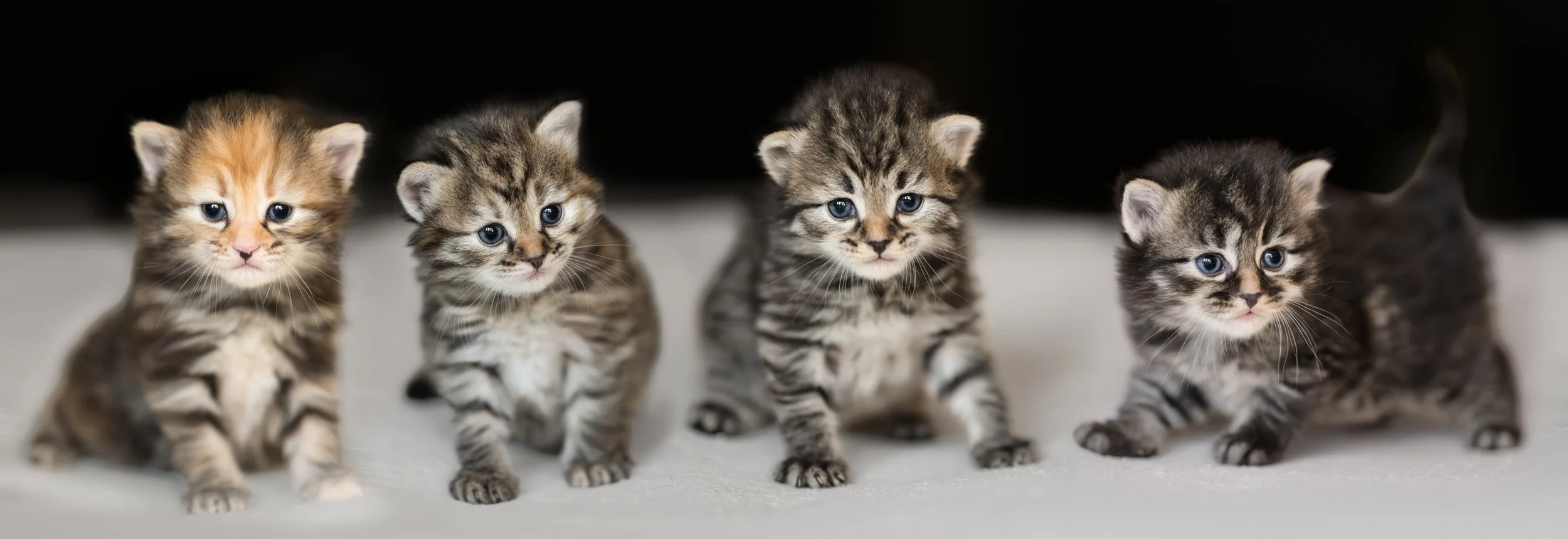
At Ammorina Siberians, our kittens are raised on a high-quality fresh food diet. Nutrition in the early months lays the foundation for lifelong health, so we choose food that reflects what cats are naturally designed to eat.
Cats are obligate carnivores
Unlike dogs, cats have evolved to depend entirely on animal tissue for survival. They cannot produce certain vital nutrients such as taurine, arachidonic acid and vitamin A without meat. Their digestive systems are short and simple, adapted for protein and fat rather than carbohydrates or plant matter. Grains, potatoes and other starchy ingredients add bulk but little nutritional value.
The problem with many commercial diets
Some of the best-known pet food brands, including Royal Canin, Hill’s and Purina, are often recommended by vets. These companies sponsor much of the nutrition education provided in veterinary schools and supply convenient, consistent products that meet baseline nutritional standards. However, meeting the minimum does not always mean offering the best.
Many of these foods use fillers such as maize, wheat or soy, along with low-grade meat meals and vegetable oils. The result is a diet that may keep a cat alive but not necessarily thriving: think ultra-processed food for animals.
How to read pet food labels
When choosing food, always look beyond the packaging. Ingredient lists reveal far more than marketing claims. Look for:
Named meat sources listed first (for example, chicken, rabbit or beef)
High animal content, ideally 70% or more
Clear labelling, not vague terms such as "meat and animal derivatives" or "cereals"
Natural animal fats, not vegetable oils
Phrases like "veterinary diet" or "scientifically formulated" may sound reassuring, but they simply mean the food meets the legal minimum requirements. True quality comes from the source and proportion of real meat.
A note on raw feeding
Raw diets, when properly balanced and handled, most closely mirror what cats would eat in nature. They support lean muscle, dental health and steady energy levels. If you prefer not to feed raw, choose the most meat-rich cooked or freeze-dried alternative you can find and avoid carbohydrate fillers wherever possible.
In short: feed for biology, not for branding. A cat’s body knows the difference.